










From Scrum to Saddle: George Nield on Racing the UCI Gran Fondo World Championships
Ironman athlete George Nield talks racing Niseko’s first UCI Gran Fondo World Championships and his stay at Intuition Niseko with The Luxe Nomad.
Read now
Book winter direct, get ¥10,000 guest experience credit Learn More
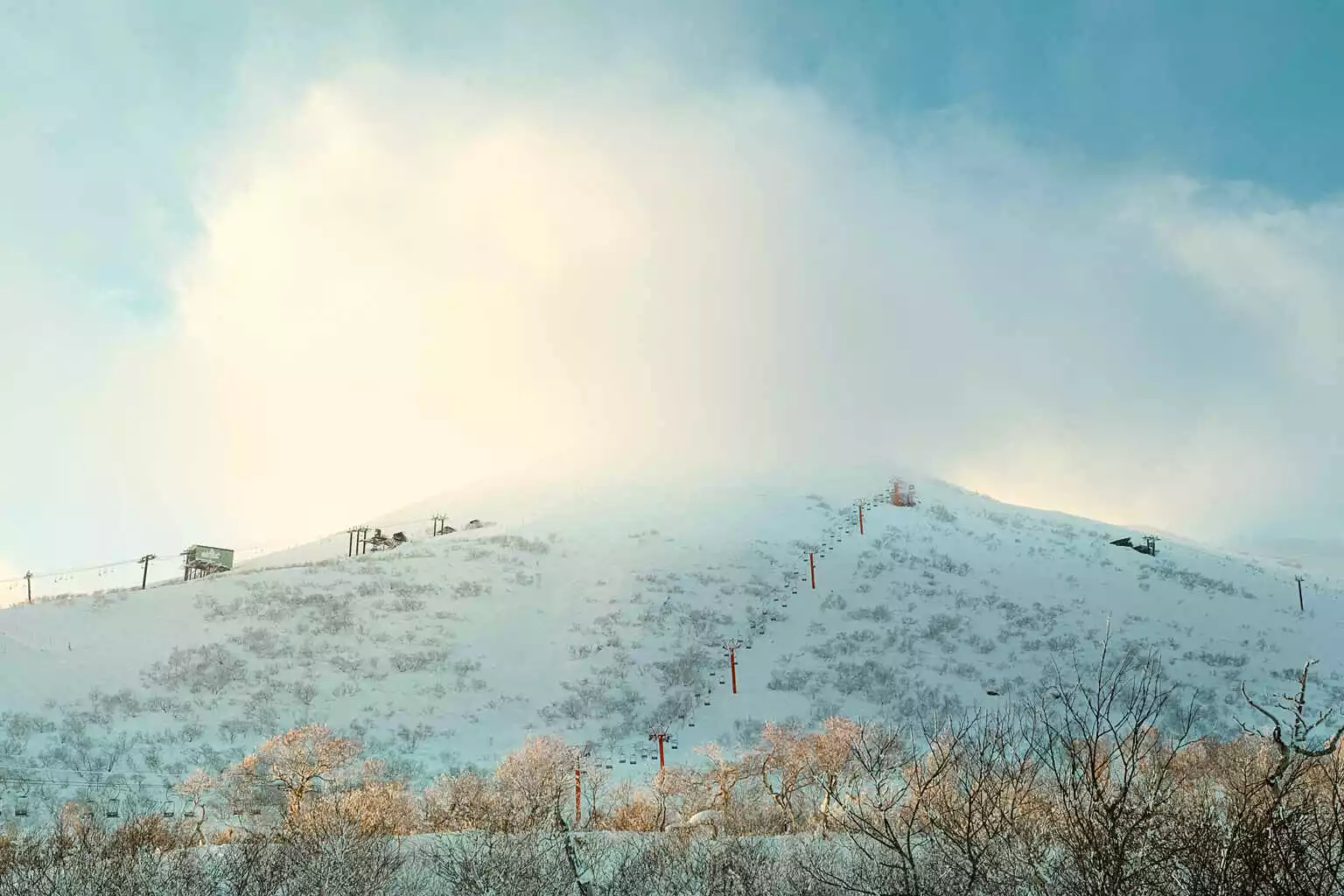
Snow lovers — it’s that time again. As temperatures drop and anticipation builds, the countdown to Niseko’s iconic winter season is officially on.
Whether you’ve already secured your stay with NISADE | The Luxe Nomad or are still sketching out your ideal ski itinerary, knowing what to expect from the 2025–26 snow season can help you plan for the best runs, deepest powder, and smoothest travel experience possible.
In this guide, we’ll break down Niseko’s snow forecast for winter 2026/27, dive into historical snowfall trends, and share a few insider tips for making the most of your trip — from peak powder periods to the best-value times to visit.
A different apres-ski scene: Where the Locals Go: Onsen Worth the Detour from Niseko
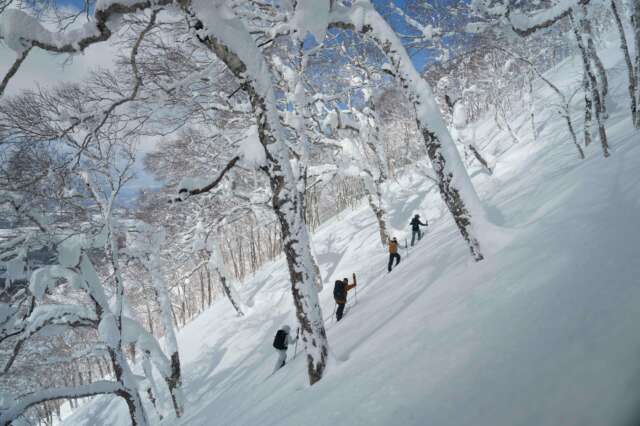
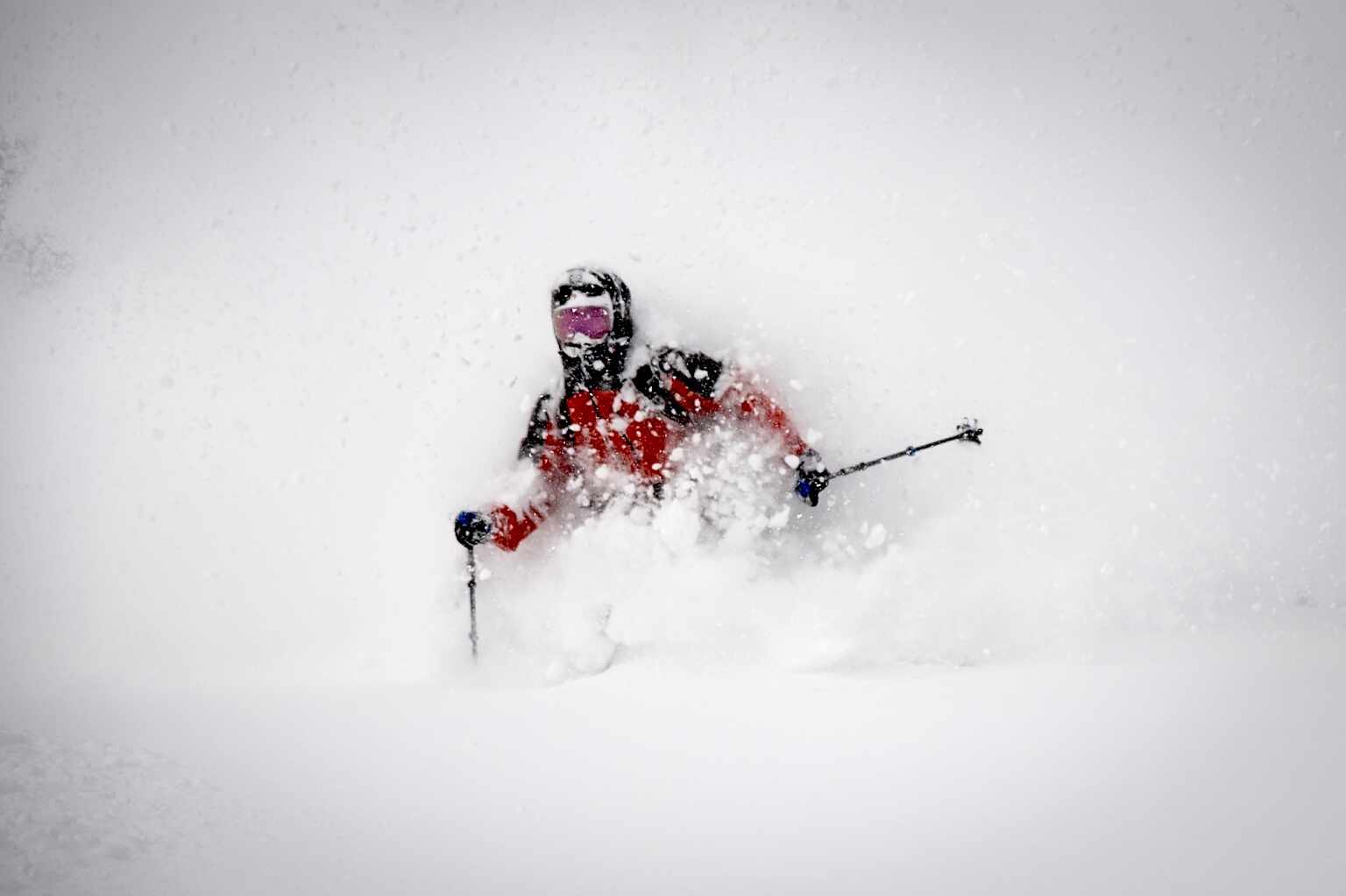
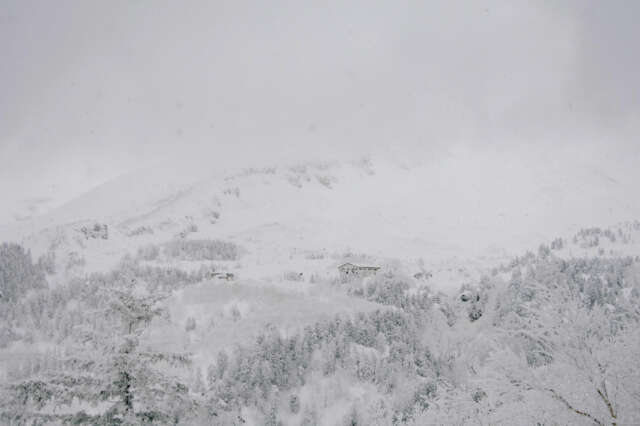
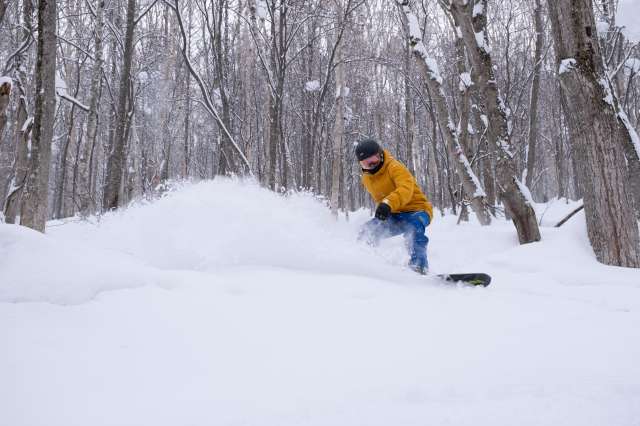
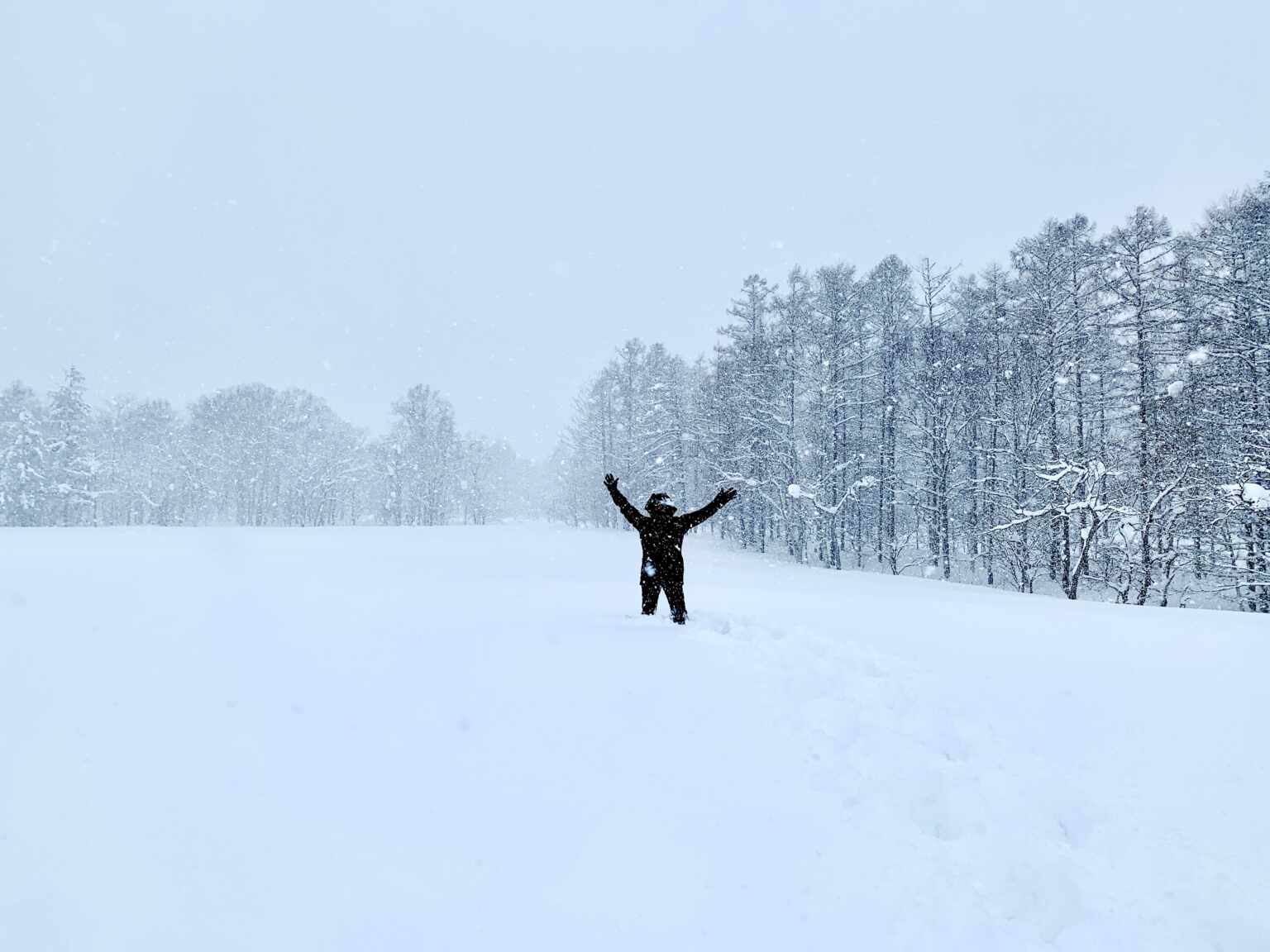
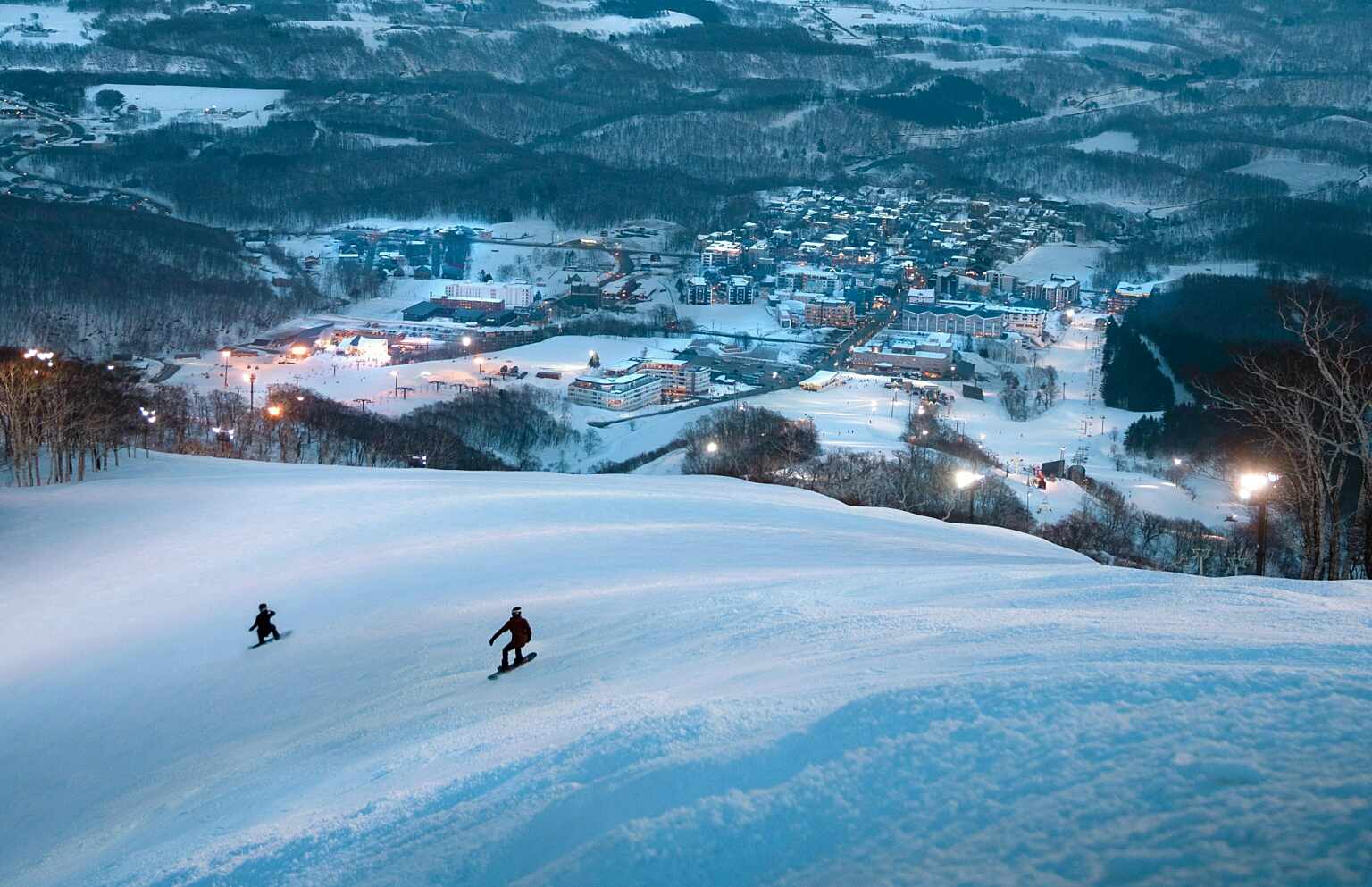
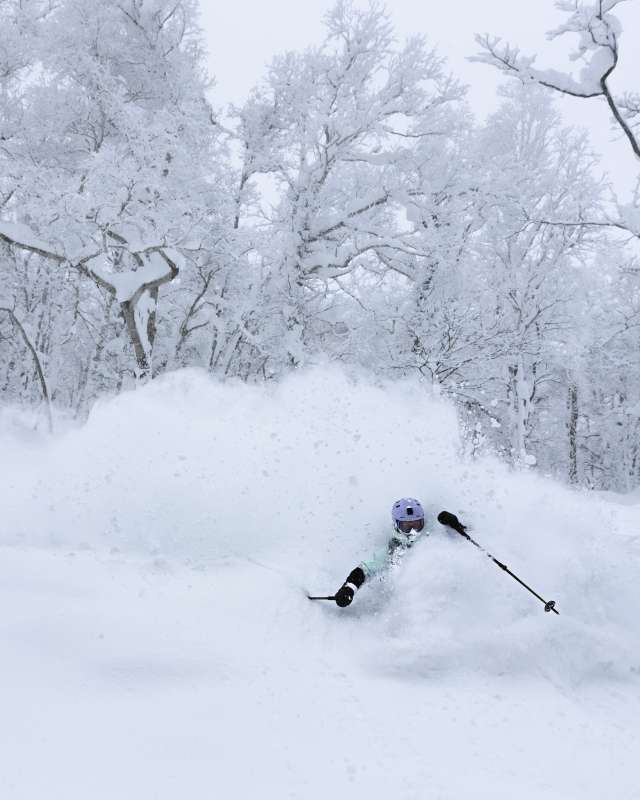
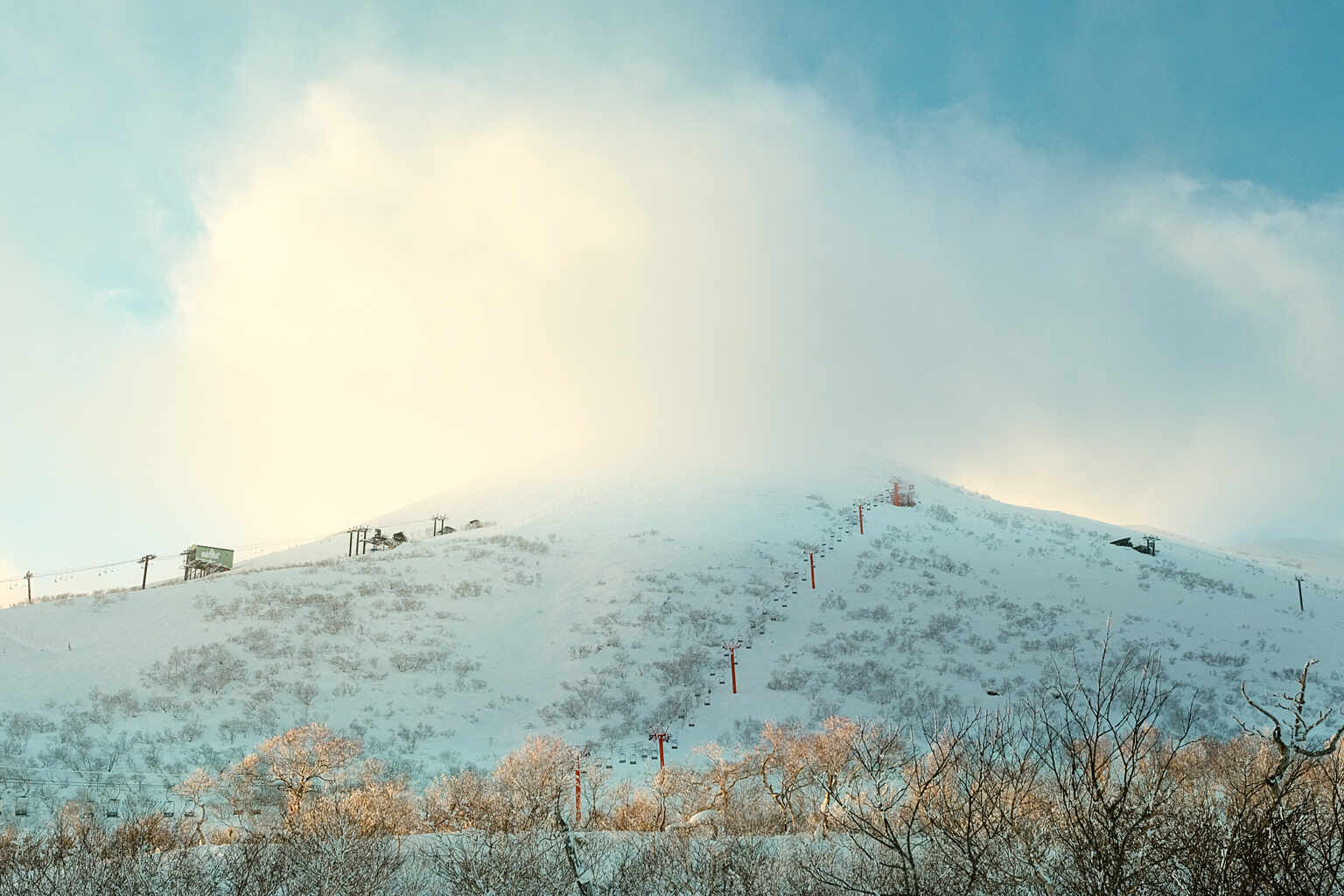
Niseko’s snowfall reputation borders on myth — and for good reason. Each year, this Hokkaido haven consistently delivers world-class powder, averaging over 10m of snowfall across the season. Based on early data, what's likely to shift is the shape of this 2026/27 season: a shorter, more concentrated window of prime powder rather than a long, even spread.
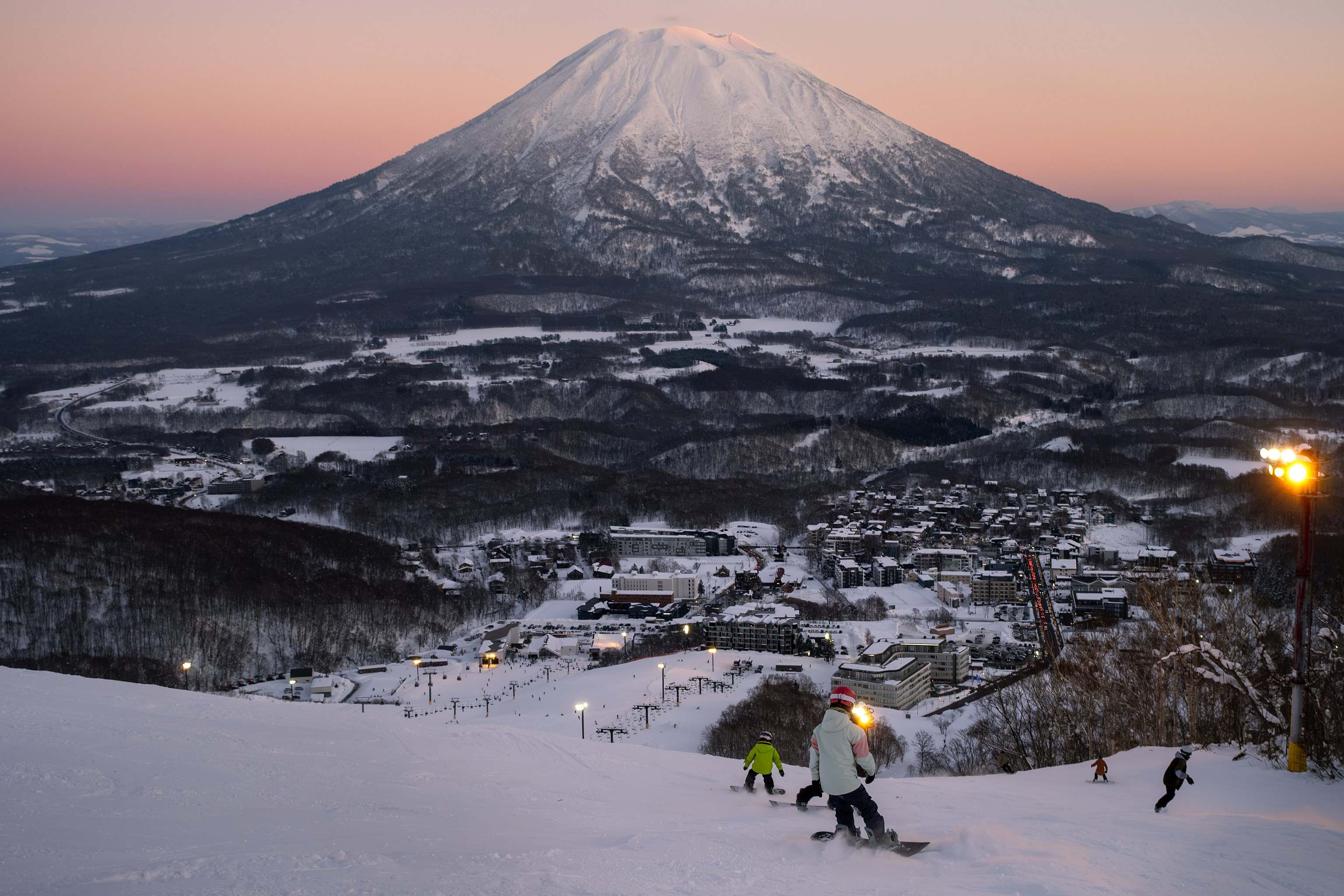
Here’s how the season is expected to unfold month by month:
Niseko United has confirmed a village-wide opening of 28 November 2026 across Grand Hirafu, Hanazono, Annupuri and Niseko Village. Early flakes typically arrive before the lifts do, with accumulation building through the month as usual.
December is when Niseko starts to truly get into its winter gear.
This is where the El Niño signal shows up first. NOAA’s Climate Prediction Center now puts the odds of a very strong El Niño event at over 90 percent through the Northern Hemisphere winter, which tends to soften the Siberian air masses that usually lock in December’s base. Snow is still expected, just not the reliable, near-daily dumps of a typical La Niña December.
By Christmas, most runs are open and the villages — Hirafu, Hanazono, Annupuri, Niseko Village — hum with early-season energy.
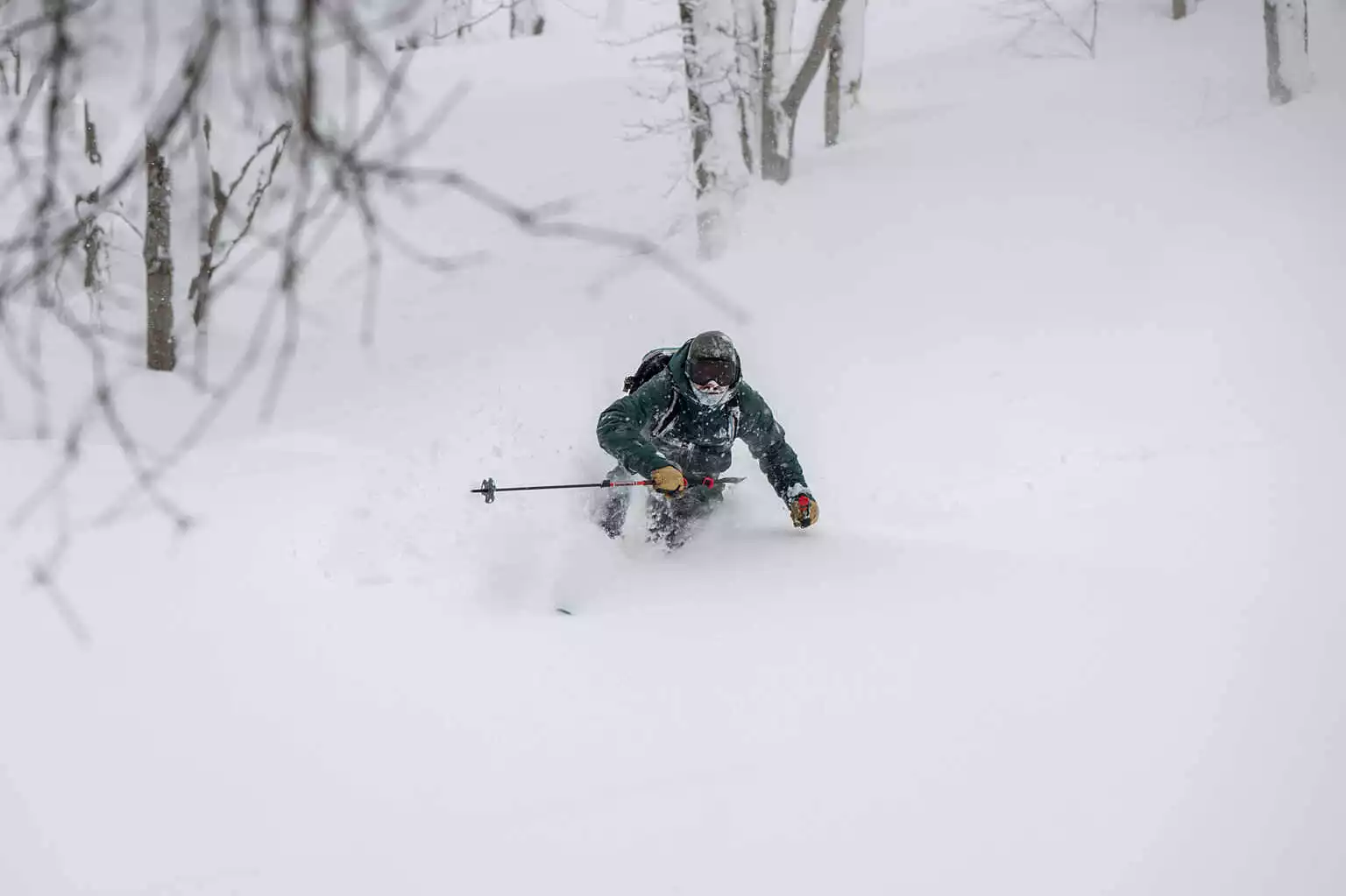
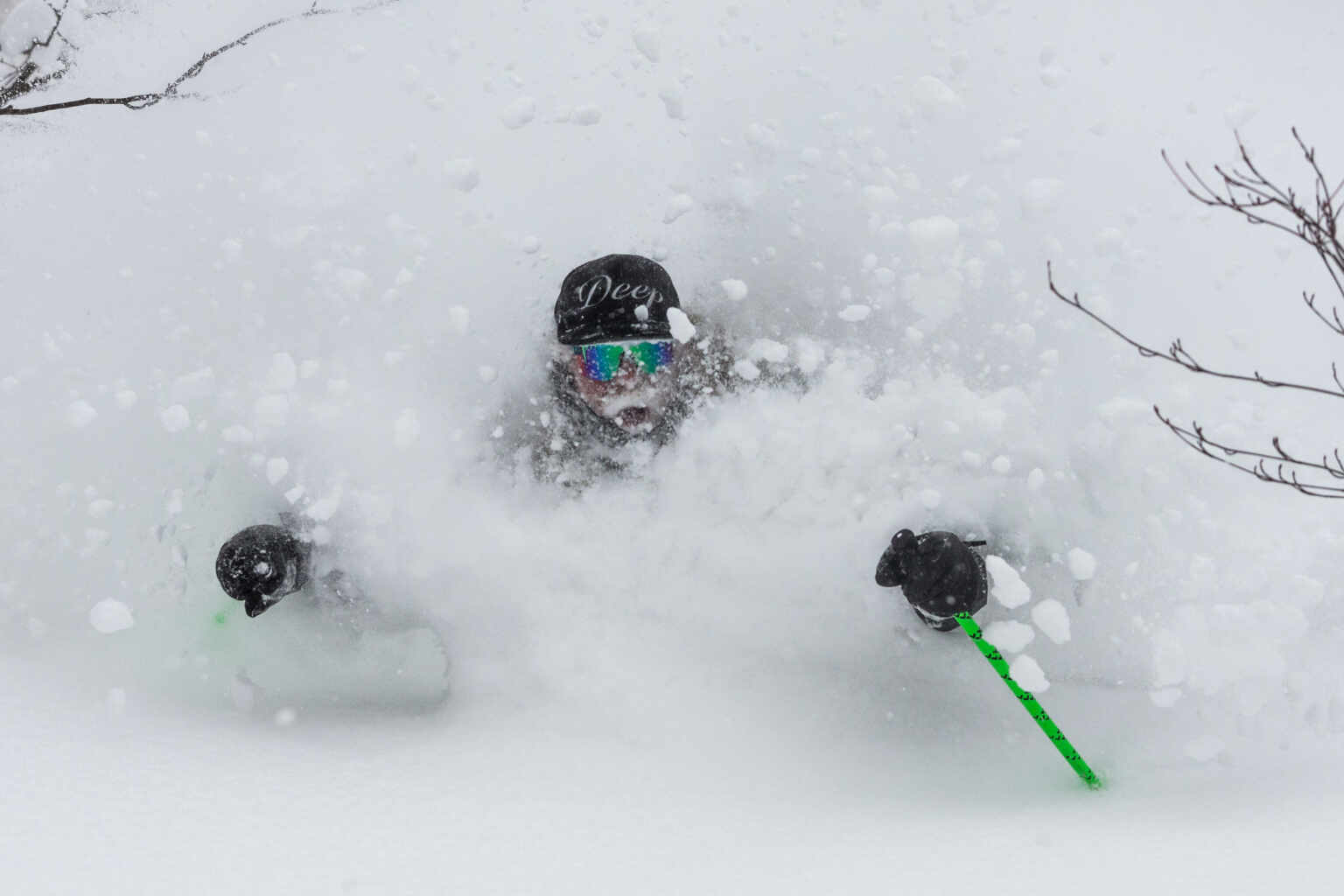
This is the period powder chasers dream about. January and February bring Niseko’s deepest snowpack, most consistent snow days, and lightest, driest snow.
Average temperatures hover around −2 °C by day and −7 °C at night — ideal for preserving snow quality and building base depth. The “lake-effect” phenomenon (cold Siberian air crossing the Sea of Japan and releasing snow on the western coast) is most active in these months, ensuring nearly constant powder refreshes.
If you’re planning your ski trip primarily for snow conditions, these months are the gold standard. Expect deep runs, excellent tree skiing, and a near-daily rhythm of fresh tracks by morning.

March is the season’s sweet spot.
El Niño's fingerprints reappear here. Forecasters flag March and April as more likely to run below average, trimming the long spring tail Niseko is known for. Snowpack should still sit at a respectable few metres, but powder hunters may want to front-load a trip towards January and February this year.
It’s a favourite month for families, new skiers, and anyone who prefers a slightly gentler pace.
Spring arrives, but the mountain doesn’t call it quits just yet.
Higher elevations still hold plenty of snow, and while fresh falls are rarer, conditions remain excellent for sunlit, mellow runs.
This year, Grand HIRAFU and Annupuri plan to stay open until May 5, 2027 — right into Golden Week — offering the magical possibility of cherry blossoms and snow in a single trip.
Niseko’s reputation as one of the snowiest places on Earth isn’t folklore — it’s backed by data.
Over the past decade, Niseko has consistently recorded 10 to 15m of annual snowfall at village level. In peak months, snow depth can reach 200–300cm in January and up to 400cm in February.
For context, here’s how Niseko has stacked up against Hakuba in recent years:
| Season | Niseko (approx.) | Hakuba (approx.) |
|---|---|---|
| 2025/26 | 1,350 cm | to confirm |
| 2024/25 | 1,283cm | 782cm |
| 2023/24 | 1,190cm | 561cm |
| 2022/23 | ~1,400cm | 444cm |
| 2021/22 | 1,135cm | 584cm |
Even in years of moderate snowfall elsewhere in Japan, Niseko’s geography ensures a consistent blanket of deep, dry powder.

A December ski guide to Niseko, Furano and Rusutsu: early-season powder, fewer crowds and the best chalets and condotels in Hokkaido to know.
Read MoreIf you’ve ever wondered what makes Niseko’s snow so exceptional — that ultra-light, champagne-powder texture that skiers and snowboarders chase from across the globe — the answer lies in a perfect combination of geography, ocean currents, and atmospheric flow.
1. The Siberian High & Sea of Japan Effect
Every winter, a massive high-pressure system forms over Siberia. As frigid, dry air moves eastward over the comparatively warmer Sea of Japan, it picks up moisture.
When that air hits the mountains of western Hokkaido, the moisture cools and falls as fine, dry snow — the essence of “Japow”. This process repeats for months, producing consistent, fluffy snowfalls and few rain events.
Why it matters: This mechanism is strongest from December through February, which explains Niseko’s near-perfect reliability during those months.

Occasionally, strong low-pressure systems sweep across northern Japan, bringing multi-day snowstorms and impressive accumulations. Locals call this the “NW flow” — when you hear that term, it usually means a powder reset is imminent.
Niseko sits at around 300 metres above sea level in the village and rises to about 1,200 metres at the summit. This elevation range means even slight shifts in freezing level can change the type of snow you’ll find.
When the freezing level drops below 500 m (common from mid-December through February), snow falls light and dry; if it rises above 800 m, expect heavier, wetter snow at the base.
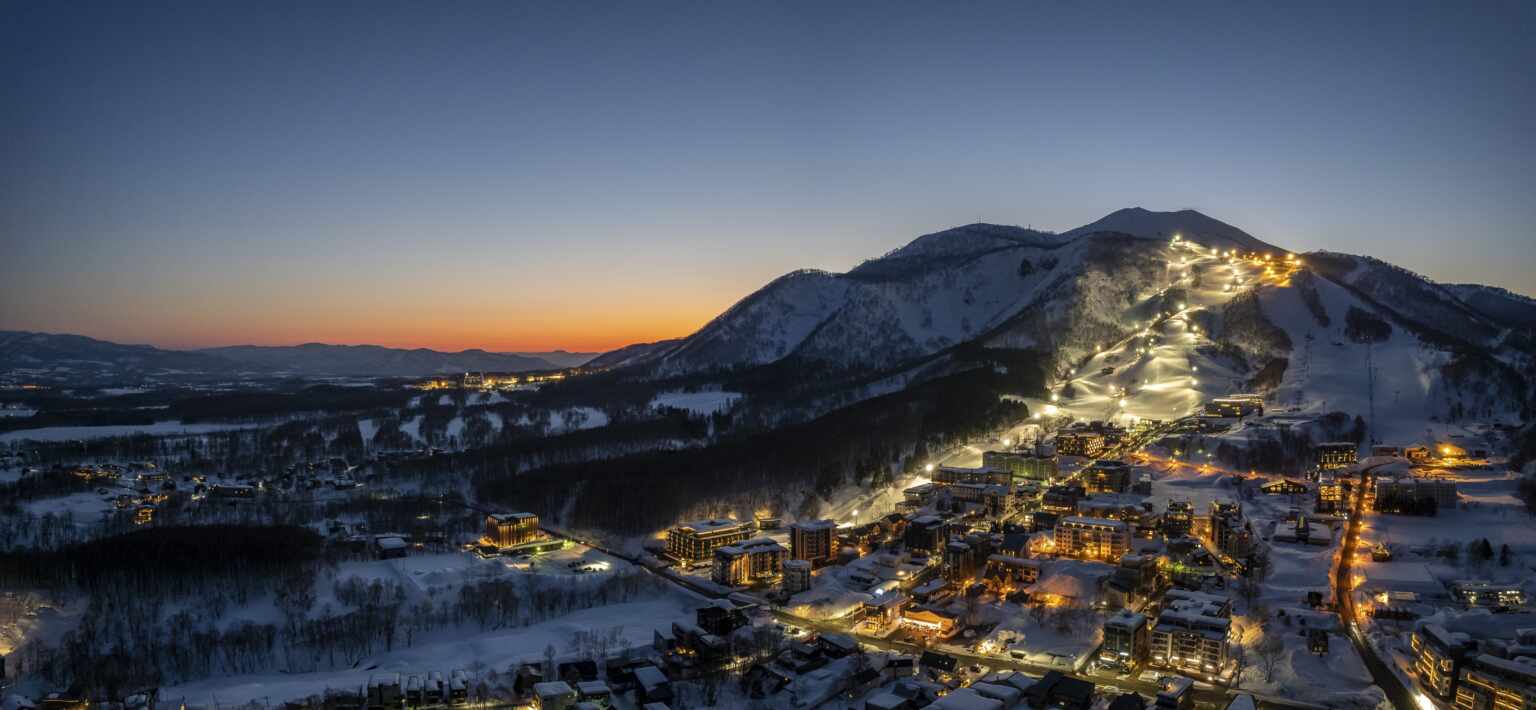
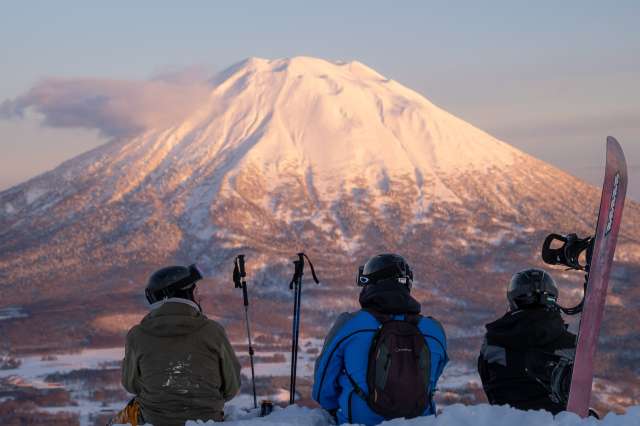
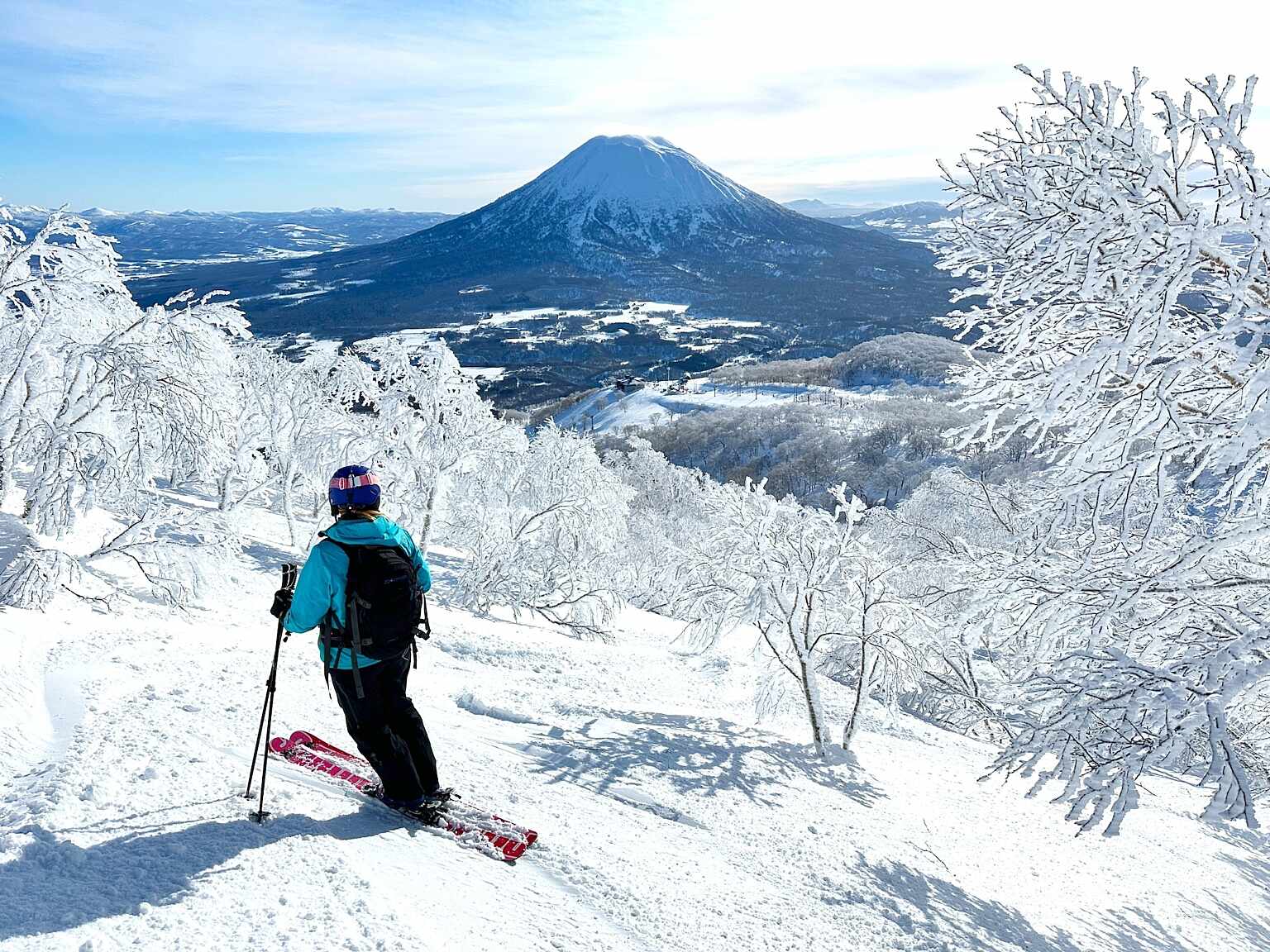
The Niseko United resort area — encompassing Grand Hirafu, Hanazono, Niseko Village, and Annupuri — benefits from its southwest-facing slopes that directly catch incoming storms. These aspects, combined with local wind patterns, mean Hirafu and Annupuri often see the heaviest snowfall totals, while Niseko Village may experience marginally lighter snow due to wind shadowing.
For skiers, that means plenty of variety: powder-filled tree runs, wide-open bowls, and natural half-pipes shaped by wind and snowfall.
Broader climate cycles like El Niño and La Niña can influence how snowy or mild a winter may be in northern Japan.
NOAA’s Climate Prediction Center puts the chance of a very strong El Niño event at over 90 percent through winter 2026/27, with sea surface temperatures tracking towards some of the highest on record.

Whether you’re a familiar face or a first-timer, a few simple tips can help you make the most of your Niseko adventure.
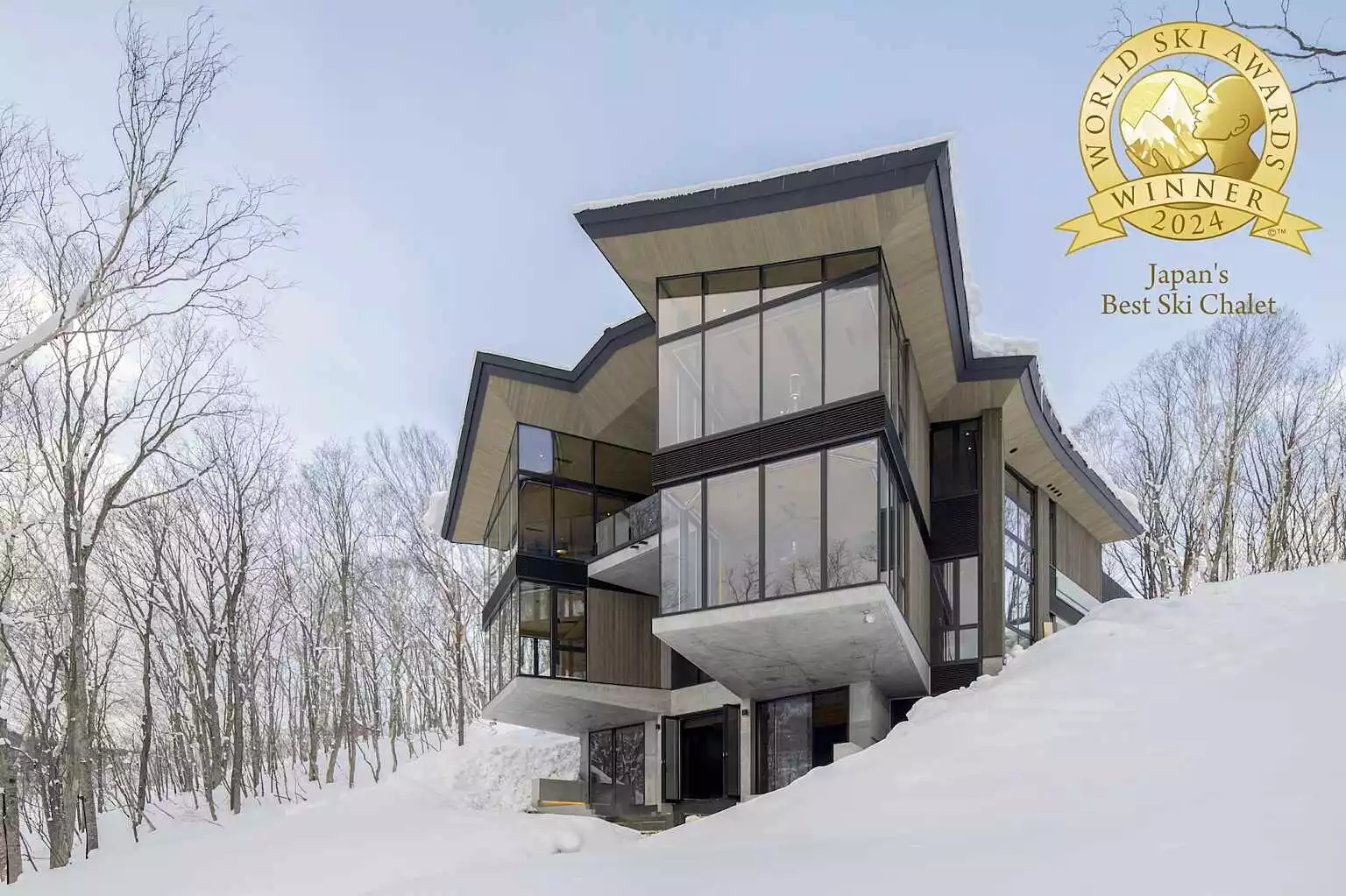
Many NISADE properties feature ski-in/ski-out access or panoramic mountain views — ideal for catching first tracks after an overnight snowfall.
Waterproof outerwear, insulated gloves, snow boots, and moisture-wicking layers are essentials. Niseko nights can dip below −10 °C, and wind chill can make it feel even colder.
Snowfall this deep is both beautiful and unpredictable. To avoid travel stress, arrange airport transfers and local transport early — our concierge team can assist with seamless door-to-door service.
Keep an eye on the latest snow forecasts and radar maps. Align your ski days with incoming storms for the freshest powder, or explore nearby onsens and restaurants when visibility drops.
From lift passes and gear rental to dining recommendations and off-piste tours, our on-site teams are here to help. Think of them as your personal winter guides — fluent in both Niseko’s terrain and its rhythm.
Opening soon this winter season: Zuma is Coming to Niseko: Here’s What This Means for Your Ski Week

Want to follow Niseko’s snow as it happens? Stay tuned through:
Winter 2026/27 in Niseko won’t repeat last year’s script. A very strong El Niño is steering the season towards a shorter, sharper window of powder, concentrated in January and February rather than spread evenly across five months.
Whether you’re carving your first turns or your hundredth, staying slopeside with NISADE | The Luxe Nomad ensures you’ll experience Niseko at its best — effortless access, warm hospitality, and all the local knowledge to make your stay unforgettable.
Ready to plan your trip?
Explore our latest accommodation offers, follow our snow updates, and get ready to carve your own line through Niseko’s world-famous powder.
.jpg.webp)
When does the Niseko ski season start? Opening dates for 2026/27 season for Niseko United resorts have been announced!
Read More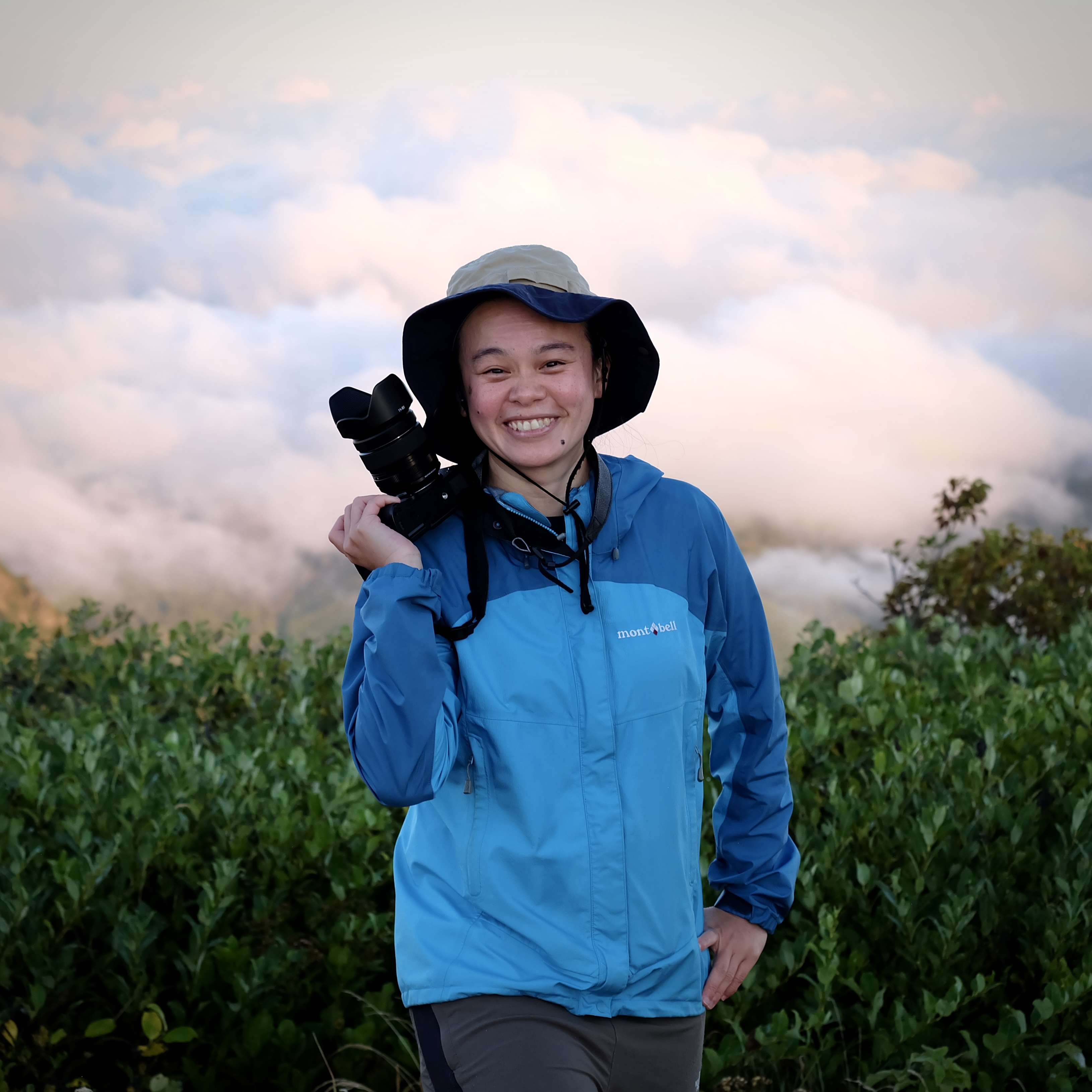
Pimsiri works as our Japan Assistant Marketing Manager and has been part of the team since winter 2018. While she enjoys shredding powder snow, she finds herself slightly more drawn to spending time outdoors during the green season.

