Lilly Sayaka Miyakawa splits her year between powder runs in Japan and surf in the Philippines. She tells us why spring might be the better half.
Most people pick a season. Lilly Sayaka Miyakawa picks two. The Japanese content creator winters in Japan — mornings tracking snowfall, long days in the mountains, evenings eating well — then moves on to the tropics once the lifts close.
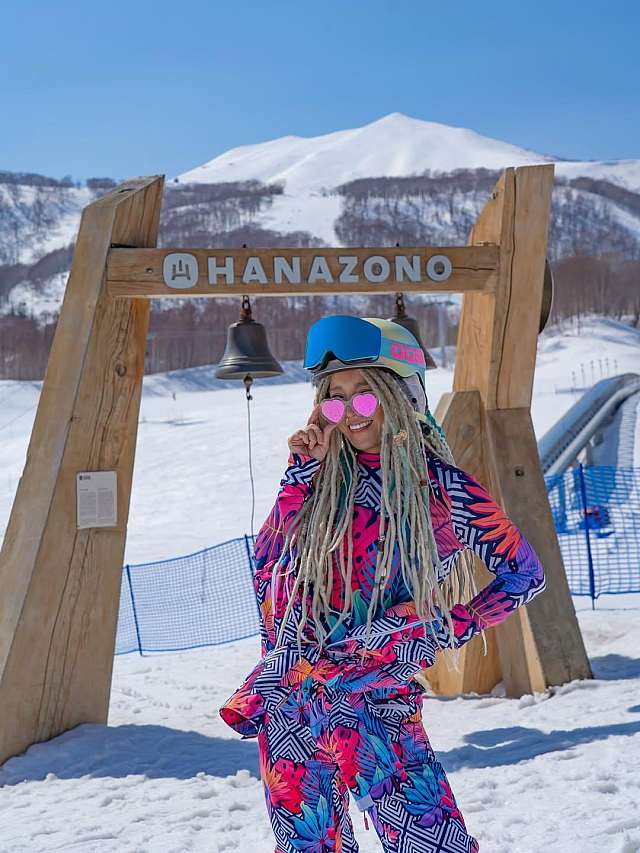
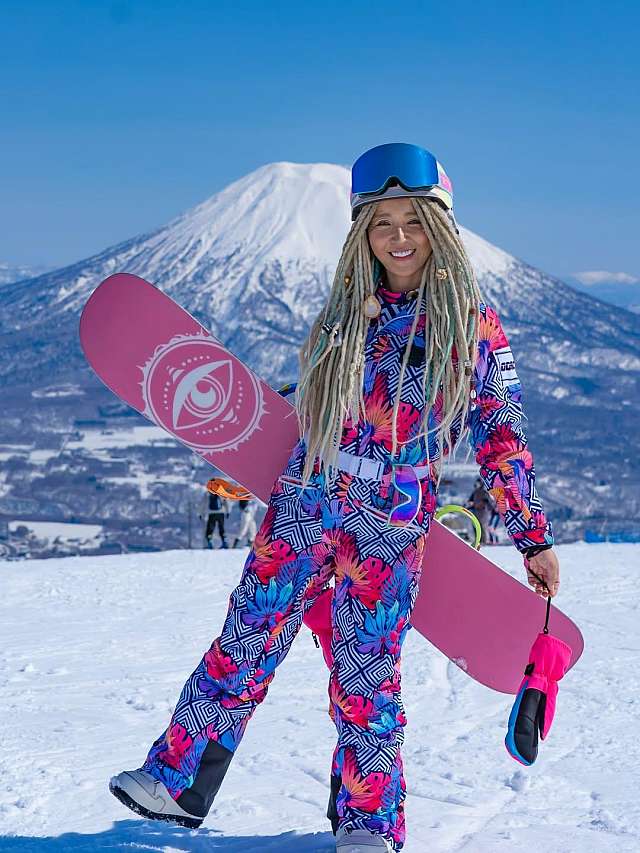
Right now, she's largely based in Siargao, documenting island life on Instagram between waves. But in March, she visited Hokkaido for the tail end of the season, splitting time between Niseko and Rusutsu. We caught up with her in between her ski runs.
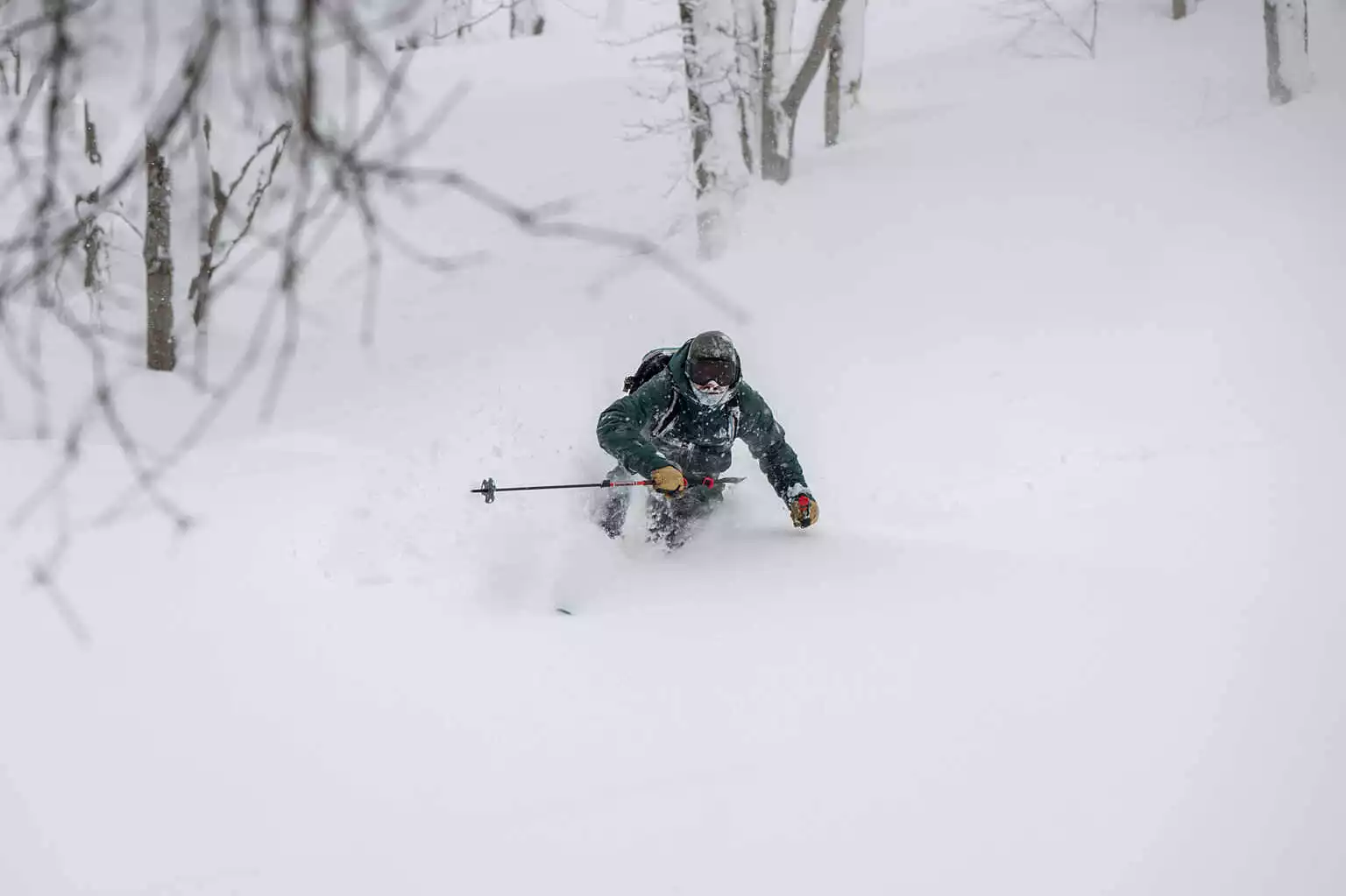
Most people who know Hokkaido know it in winter — the early-morning powder rush, the lift queues, the cold that requires serious commitment. Spring is different. The snow is still there; the intensity isn't.
“There isn't the same 'powder war' atmosphere you get during peak winter,” Miyakawa says. “I really loved the slower, more relaxed vibe.” The lift lines are shorter. The roads aren't icy. You can — she notes with some satisfaction — walk around without gloves.
This was Miyakawa’s third season in Hokkaido, and she shows no signs of recalibrating. “I truly believe Hokkaido is home to real powder snow,” she says. “The people who gather here genuinely understand the value of it. They're the real ones.”
It’s a particular kind of loyalty; not to a resort or a run, but to a place that attracts a certain type of person. The JAPOW triangle during the peak season can feel international to the point of anonymity. In spring, the crowd thins to those who actually came for the snow.
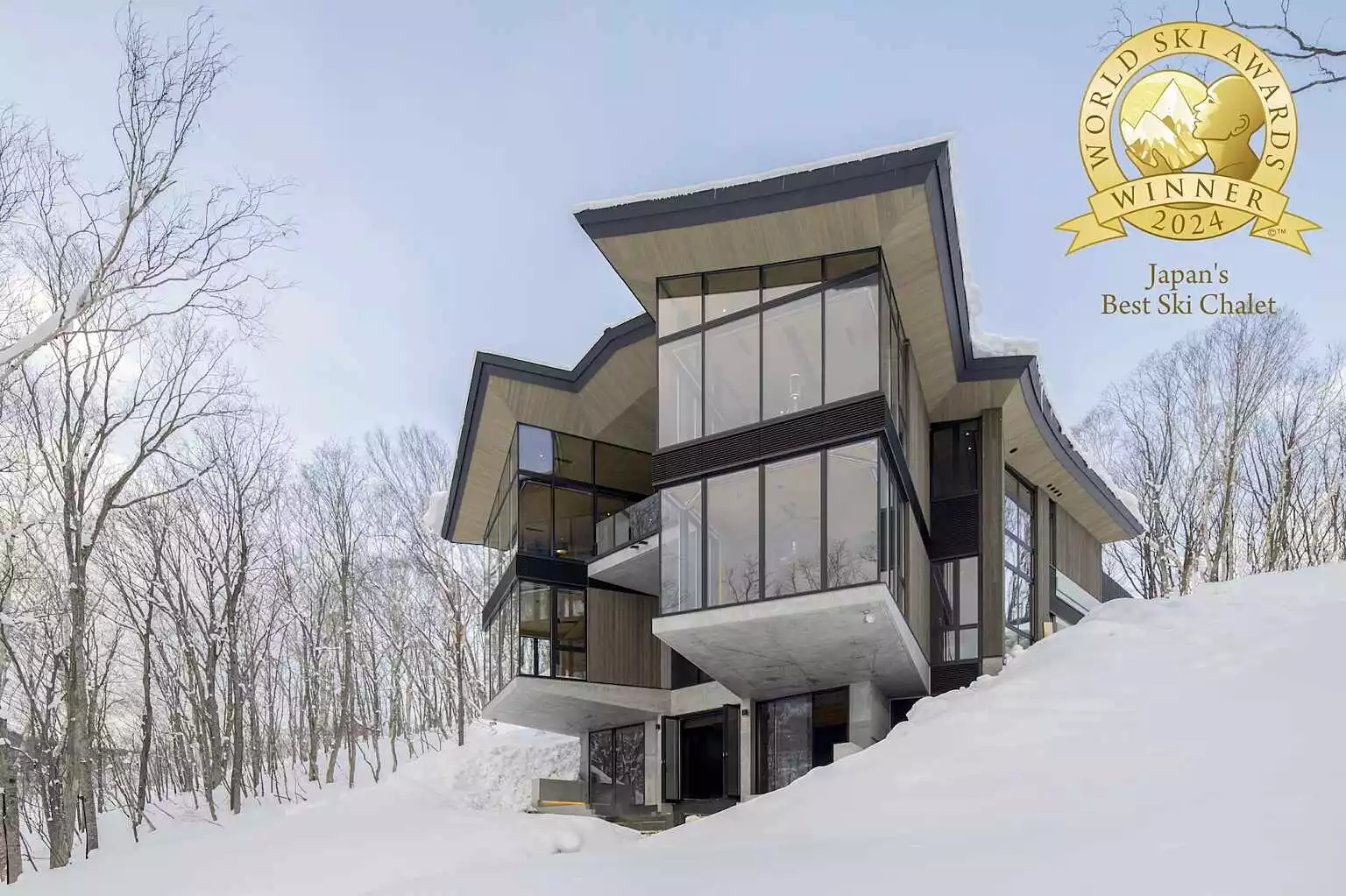
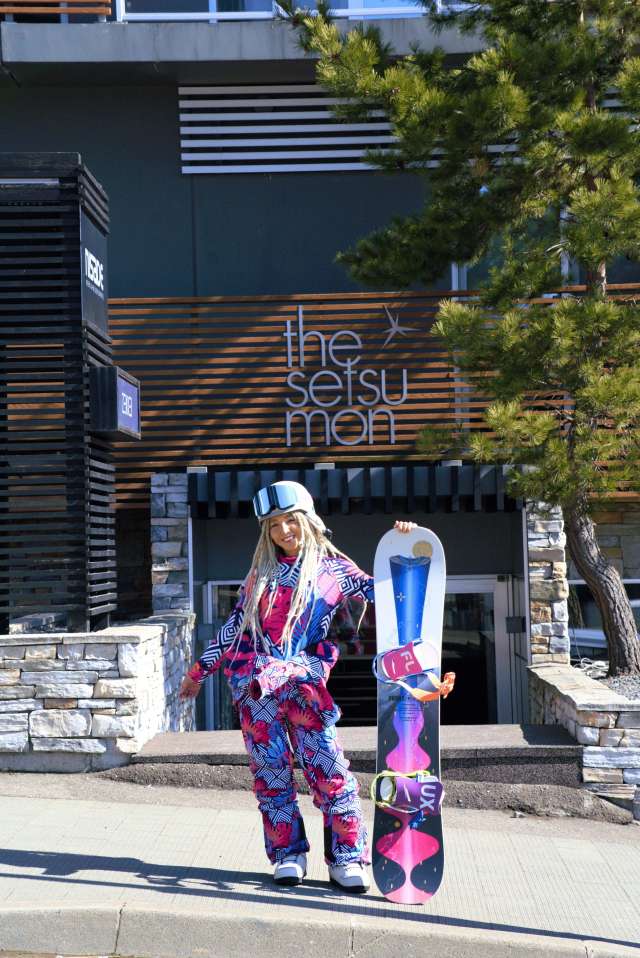
Miyakawa stayed at The Setsumon in Upper Hirafu and The Vale Rusutsu — different resorts, different registers.
The Setsumon sits in the heart of Hirafu Village, which means everything is close: the slopes, the restaurants, the particular energy of Niseko’s most popular neighbourhood. “Being right in the heart of Hirafu was exciting,” she says. The spacious kitchen and deep bathtub helped with recovery.
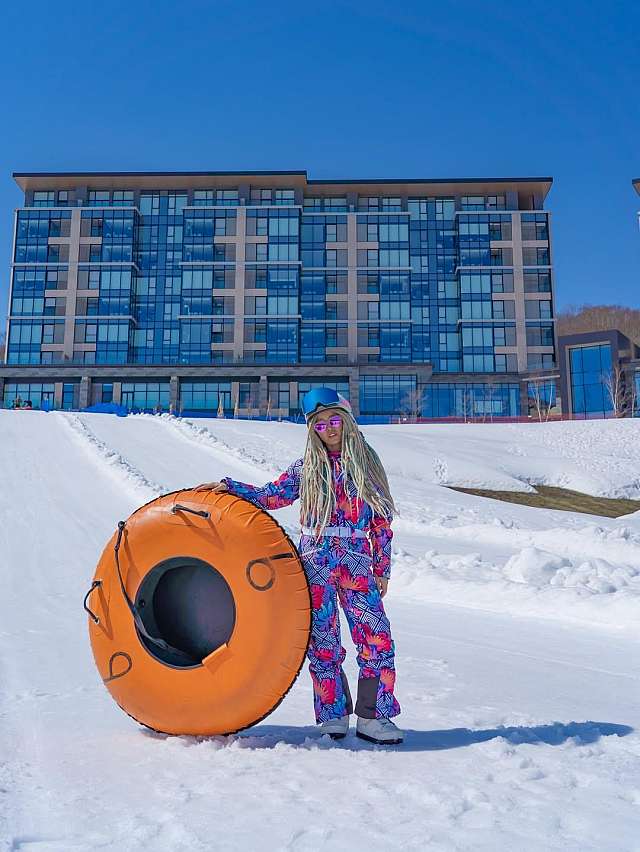
The Vale Rusutsu offered something quieter. “The architecture and atmosphere were simply beautiful,” Miyakawa says. Ski-in ski-out access, Kotobuki no Yu onsen on the doorstep, breakfast options that didn't require a decision before coffee — a different pace, and deliberately so.
Stay ahead from the rest: Where to Ski in Hokkaido in December: First Tracks in Niseko, Furano and Rusutsu
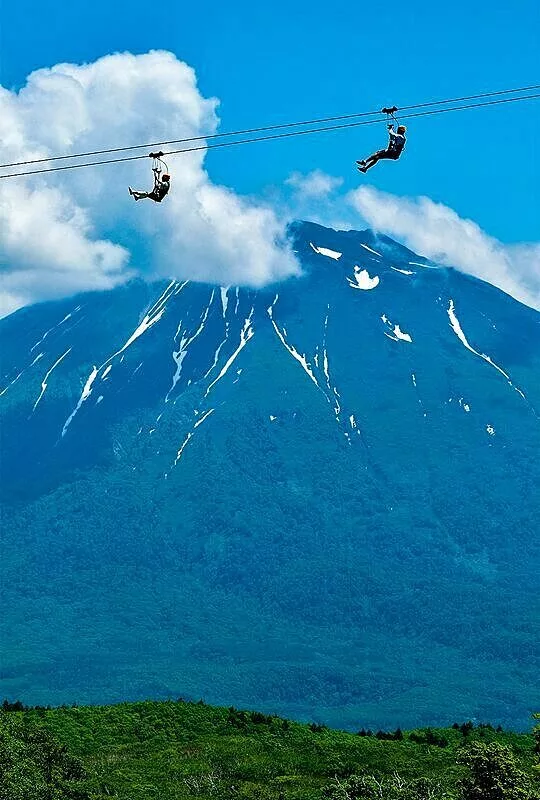
Given the option, Miyakawa would extend The Setsumon stay, return to the Hanazono Zipflight at Niseko Hanazono Resort, and preserve the ritual of an onsen after a long day on the slopes. The ski-in ski-out at Rusutsu also makes the list — once you've had it, walking to a lift feels like an imposition.
Niseko, she says, is the place to start. “It almost feels like being overseas (to Japanese visitors).” The atmosphere is unlike anywhere else in Japan — cosmopolitan, occasionally chaotic, always worth it. The powder, when it comes, is as light as advertised.