









Best Restaurants in Niseko 2026: Where to Eat and Drink in Hirafu This Winter
Discover the latest additions to Niseko’s vibrant dining scene, from artisanal cocktail haunts to establishments helmed by Michelin-starred chefs.
Read now
Book winter direct, get ¥10,000 guest experience credit Learn More

Book a farm to table cooking day trip from Niseko, set on a volcanic hillside near Lake Toya with fresh Uchiura Bay seafood.
Hokkaido is Japan’s pantry. This mighty island produces more of what the country eats than any other prefecture, which is why the rest of Japan travels north for the food. The clearest way to understand Hokkaido is to eat from it directly, and Hokkaidian Homestead is built around exactly that idea.

Co-founders Ian Fong and Noriko Matsushita left finance and city life to raise their daughters on a Hokkaido farm. Their land sits on a hillside in Date, between Mount Usu — still an active volcano — and Lake Toya, on soil enriched by centuries of volcanic ash. This unique geology explains the bountiful produce. The nearby Uchiura Bay gives the area comparatively mild weather year-round, and the centuries of volcanic deposits have left behind some of the most fertile farmland in Japan.
From their hillside, Ian and Noriko can see Mount Usu, Showa Shinzan, Nakajima Island, and Mount Yotei. The setting is specific, and the cooking reflects it. Here, they tell us more about the unique culinary experience that they offer.

Growing up, Ian watched his parents spend hours preparing meals — not for any particular occasion, but because sharing food was its own main event. That sense of cooking as a social act stayed with him.
The move to Hokkaido came from a decision he and Noriko made about how they wanted their daughters to grow up. “We were driven by the hope that our daughters would grow up with a sense of wonder and appreciation for the world in which we live,” Ian says. “We believe that raising them in a community with a strong connection to nature is one of the best ways to do that.”

Once the decision was made, leaving banking followed naturally. Hokkaido, with its seasonal abundance and its culture of careful food production, was the obvious place to build something.
In shaping the concept, Ian drew on people like Dan Barber — whose TED talks on food systems he'd followed closely — and Hugh Fearnley-Whittingstall of River Cottage. “I wanted to turn it into a place where guests could take their time to prepare and enjoy great food, and more importantly, be with friends and family.”
Ian is up before 6am on workshop days. He makes his rounds collecting ingredients — from local farmers, the garden, and the bay — then returns to set up the outdoor space while Noriko prepares indoors.
Each workshop runs for four hours. The first thing you notice when you arrive is Toby. The Homestead’s golden-doodle dog has made welcoming guests his personal responsibility, and he takes it seriously.

Noriko then opens the session with tea brewed from herbs cut that morning in the garden. Ian takes guests through the cooking: the techniques, the steps, where each ingredient came from and why it tastes the way it does. The food is seasonal and sourced within the region — good meat and vegetables from nearby farms, and fresh seafood from Uchiura Bay.
On days without guests, Ian heads to the local farmers’ market to see what’s in season, then spends the day testing menus for upcoming programmes.
Discover the latest additions to Niseko’s vibrant dining scene, from artisanal cocktail haunts to establishments helmed by Michelin-starred chefs.
Read MoreIt depends on the time of your visit. Hokkaido’s four seasons produce four genuinely different experiences at the Homestead. In autumn, the workshop includes an ikura-curing session — guests separate roe from salmon skein by hand, curing it themselves. In winter, snowshoeing is available on the property, and children can sled on the grounds. Foraging is occasionally possible, depending on the season.
“All four seasons in Hokkaido are spectacular, each in their own way. Anytime is a good time at the Homestead,” quips Ian.
The sourcing is deliberate. Everything that comes to the table is farmed or caught responsibly, and Ian talks guests through provenance as part of the cooking process; not as mere narrative added on top, but as the thing that explains why the food tastes the way it does.

Volcanic soil produces richer produce. A sheltered bay produces better seafood. But these aren’t abstract claims; they’re the direct result of the Homestead's specific geography, and Ian makes that connection concrete for every group that visits.
“At HOKKAIDian Homestead, we focus on food that is farmed or sourced responsibly and ethically,” he says. “In sharing these delicious foods in a beautiful setting so close to nature, we hope our guests will be reminded of our relationship with nature and reconnect with life's simple pleasures.”
Sustainable eats: Inside Milk Kobo: The Family Farm Behind Niseko's Famous Soft Serve
Ian is clear about what matters most: not the food itself, but what happens around it. The workshops work because people cook together, not because they watch someone else cook. “The absolute best part is seeing their happy smiles,” he says. Everything else — the sourcing, the techniques, the seasonal menus — builds toward that.
Hokkaidian Homestead is around an hour’s drive from Niseko, through Lake Toya. In winter, Ian recommends using a local professional transfer rather than driving yourself if you’re not used to snow roads; the friendly Guest Experience team at NISADE | The Luxe Nomad can help arrange transfers.
For more information, visit the HOKKAIDian Homestead website or find them on Instagram.

Discover Sprout, Yoshi and Yukiko Toge's roastery café near Kutchan Station, with Camp & Go's bookstore and guesthouse next door.
Read More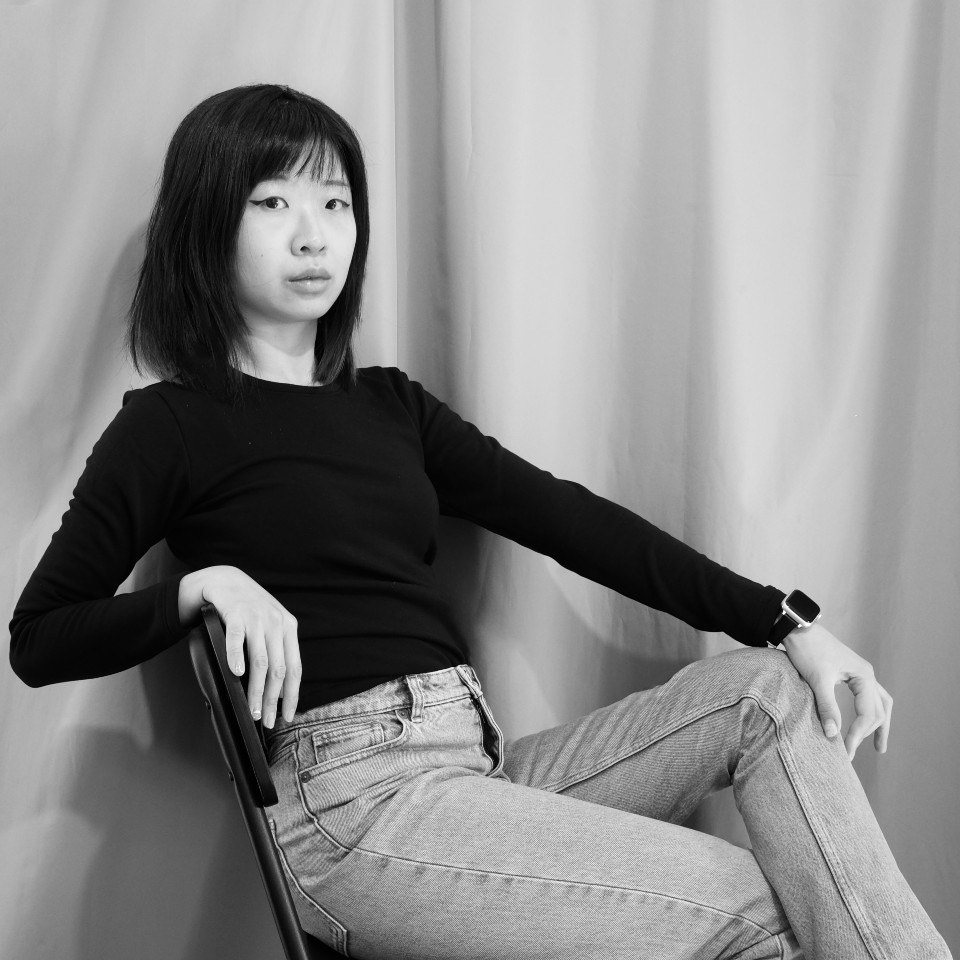
Content Director
As a content curator who’s always curious about where a good story starts, Xinying finds inspiration from her travels while seeking out beautifully designed stays, cafés and museums to visit. Born and raised in Singapore, she now calls Kyoto her second home.

